The Money Is Not A Fee, And Students Panic About It Unnecessarily#
The first thing to understand about a German blocked account is that you are not paying anyone €11,904.
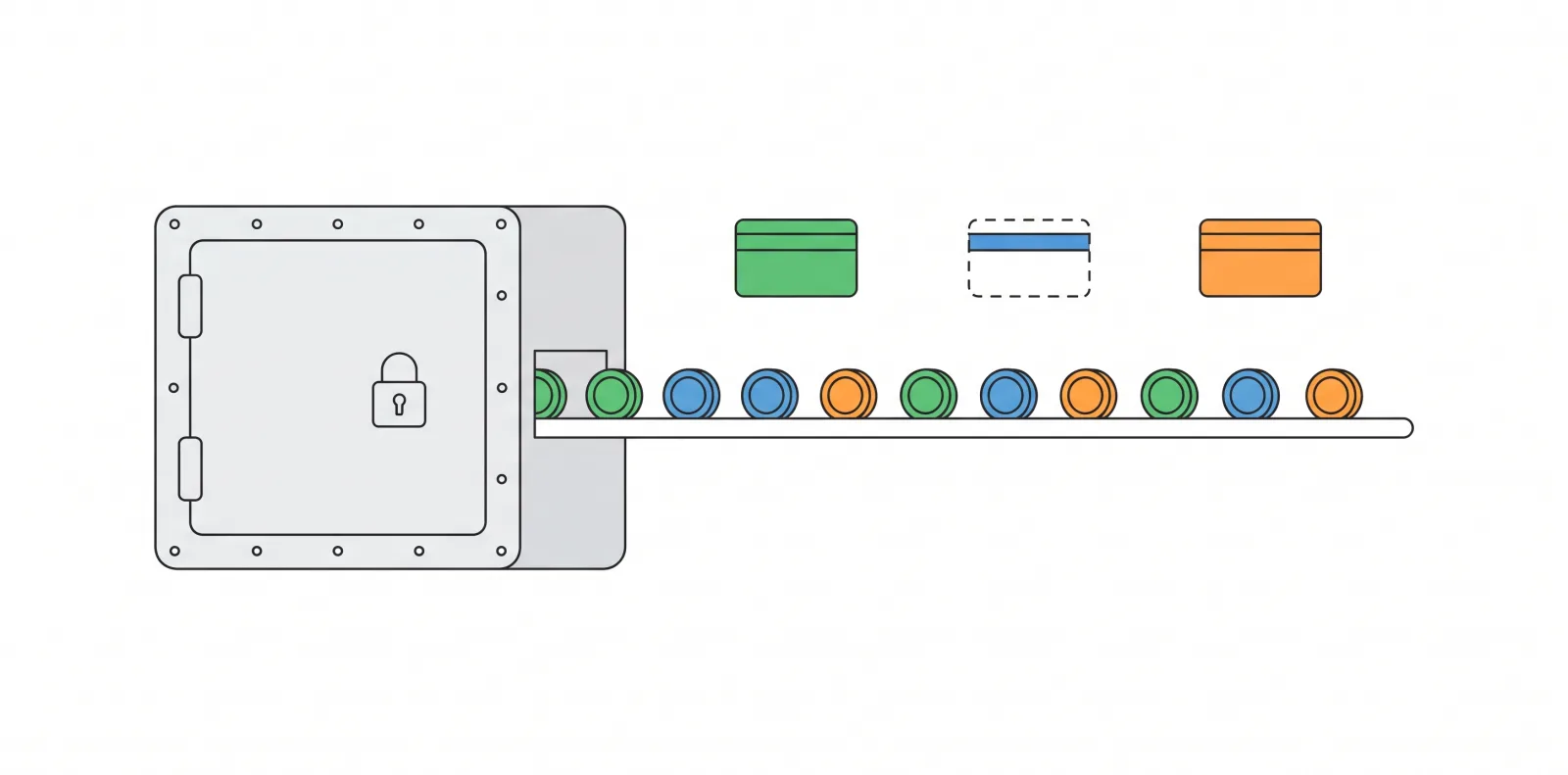
The money remains yours. You deposit it into a special account before your visa application, the German authorities accept it as proof that you can support yourself for a year, and after you arrive the account releases it back to you in monthly instalments of €992. You spend your own money on your own rent and food.
What you actually pay is the provider's charge for operating the account, which runs from under a hundred euros to a few hundred depending on who you use and how long the account stays open.
That distinction matters because families comparing Germany against other destinations frequently add €11,904 to the cost column, conclude that free tuition is not free after all, and rule it out. They are comparing a deposit against a fee.
What does deserve attention is the mechanics: which providers are actually operating, what they charge, and the failure modes that delay visa applications. Here is that picture.
Background: What A Blocked Account Actually Is#
The requirement. German student visa applicants must demonstrate sufficient funds for their first year. The standard route is a Sperrkonto, a blocked account, holding the specified amount.
The 2026 figure is €11,904, which corresponds to €992 per month across twelve months. The amount is set by the authorities and revised periodically to track estimated living costs, so it rises over time.
How the release works. Once you arrive in Germany, activate the account and register your address, the provider releases €992 to your ordinary German current account each month. You cannot withdraw the whole sum at once; that restriction is the entire point of the arrangement.
Alternatives exist but are narrower. A formal declaration of commitment from a sponsor resident in Germany, or certain scholarship confirmations, can substitute in some cases. For most Indian applicants the blocked account is the practical route.
Two terms worth defining:
Activation. The step after arrival at which the account becomes a functioning payout arrangement. It requires German address registration and a German current account, and delays here mean delays in receiving your own money.
Confirmation document. The certificate the provider issues stating that the funds are deposited and blocked. This is what the consulate wants, and its validity and format matter.
Comparing The Providers#
What the Coracle situation teaches. The provider paused new applications in August 2025 for an infrastructure upgrade, with no confirmed reopening date. During the transition, students who had already opened accounts reported frozen transfers and invalidated confirmation documents, which disrupted visa timelines at precisely the wrong moment.
The lesson is not about one company. It is that a blocked account is a single point of failure in your visa application, and a provider problem lands on you with no easy remedy. Two practical responses follow: use an established provider that is demonstrably operating, and start early enough that a problem leaves you recovery time.
The Mistakes That Delay Visa Applications#
Starting too late. The sequence is open the account, transfer the money internationally, wait for the provider to confirm receipt, receive the confirmation document, then book your visa appointment. Each step takes days and the transfer can take longer. Students who begin this a fortnight before their appointment routinely miss it.
Transferring the wrong amount. International transfers attract charges and exchange-rate movement. If the amount arriving is even slightly below the requirement, the provider cannot issue a confirmation for the full sum. Send a small buffer above the required figure rather than exactly €11,904.
Name mismatches. The account must be in the applicant's name exactly as it appears on the passport. Differences in spelling, initials or the order of names cause rejections, and correcting them means restarting.
Using the wrong sending account. Providers and authorities have expectations about who may send the funds. Transfers from an unrelated third party can create complications. Check the provider's rules before sending.
Assuming the confirmation is open-ended. Confirmation documents have validity considerations and consulates have their own expectations about currency of documents. Do not obtain one months in advance and assume it will serve.
Forgetting the activation step. After arrival, the account must be activated with your German address registration and a German current account before the monthly release begins. Students who delay registration find themselves in Germany with their own money inaccessible.
Closing The Account And Getting Your Money Out#
If your visa is refused. Providers have a defined closure process that returns the deposited funds, and refund policies vary on the setup fee itself. Check this before you choose a provider, because it is the scenario you least want to research under stress.
If you change plans before travelling. Same process, and the same point applies about checking the terms in advance.
At the end of your first year. Once the blocking period is complete and you have other proof of funds for subsequent years, the account can be closed and any remaining balance transferred out. Fintiba's refundable buffer is returned at this stage.
A note on subsequent years. The blocked account requirement typically applies to the first year. For later years, residence permit extensions require proof of funds, which may be met through a blocked account again, employment income, a scholarship or a sponsor declaration, depending on your circumstances and the local immigration office's practice.
And keep every document. Confirmation letters, transfer receipts, account statements. Immigration offices ask for them at extension time, sometimes years later.
Opening The Account, Step By Step#
The process is straightforward when done in order and difficult when improvised.
Step one: choose a provider and check it is accepting applications. This is not a formality, as the Coracle situation demonstrates. Confirm current status on the provider's own site before starting.
Step two: complete the online application. You will need your passport, your admission or offer documentation, and your personal details exactly as they appear on the passport.
Step three: receive the account details and transfer the funds. This is the step with the most failure modes. Send from an account that meets the provider's rules, in the correct currency where specified, with a small buffer above €11,904 so that transfer charges and exchange movement do not leave you short.
Step four: wait for confirmation of receipt. International transfers can take several working days and occasionally longer. Providers cannot issue a confirmation document until the funds have arrived and cleared.
Step five: download the confirmation document and check every detail against your passport before submitting it with your visa application.
Step six, after arrival: activate the account. This requires German address registration and a German current account. Until both exist, the monthly release cannot begin, which means arriving in Germany without immediate access to your own money.
The timeline to plan for. Four to six weeks from starting the application to holding a usable confirmation document is a realistic allowance. Students who begin two weeks before a visa appointment routinely miss it.
Alternatives To A Blocked Account#
The blocked account is the standard route rather than the only one, and for some students an alternative is simpler or cheaper.
Declaration of commitment, or Verpflichtungserklärung. A formal undertaking by a person resident in Germany to cover your living costs, made before the local foreigners authority. It requires the sponsor to demonstrate sufficient income and it carries real legal liability for them. Practical where you have a relative or close connection already resident.
Scholarship confirmation. A recognised scholarship providing adequate monthly funds can substitute for the blocked account, with a confirmation letter from the awarding body. DAAD and comparable scholarships are generally accepted, though the amount must meet the threshold.
Bank guarantee from a German bank, which is less commonly used by students but exists as a route.
Combination approaches. Where a scholarship covers part of the requirement, a smaller blocked account may cover the remainder. Confirm with your consulate whether this is acceptable for your case, since practice varies.
What matters when choosing. The consulate handling your application has the final say, and requirements can differ between missions. Ask before committing to an alternative route, because a rejected proof-of-funds method discovered at the appointment costs you the appointment.
And note that the requirement recurs. Proof of funds is generally needed again when extending your residence permit for subsequent years, met through a blocked account, employment income, a scholarship or a sponsor declaration depending on your circumstances by then.
What To Do Once You Arrive#
The account does not become useful automatically, and the first weeks in Germany contain a sequence that must be completed in order.
Register your address, the Anmeldung. Required within a short window of moving into accommodation, at the local registration office. It produces a registration certificate that almost everything else depends on, and appointment availability in larger cities can be genuinely constrained.
Open a German current account. The blocked account releases funds to a regular account, not to you directly, so this is a prerequisite for receiving your own money.
Activate the blocked account with the provider, supplying your registration certificate and current account details. Only then does the monthly release begin.
Complete health insurance enrolment, which your university generally requires before it will complete your enrolment.
Apply for your residence permit at the local foreigners authority, which is a separate process from the visa you entered on.
Why the order matters. Each step depends on the previous one, and delays compound. A student who cannot get an Anmeldung appointment for three weeks cannot open a bank account, cannot activate the blocked account, and is living on whatever they carried with them.
Which is the practical instruction. Carry enough accessible funds to cover four to six weeks independently of the blocked account, and start the registration process in your first days rather than after your course begins.
Frequently Asked Questions#
How much is the German blocked account for 2026?#
€11,904, corresponding to €992 a month for twelve months. The figure is set by the authorities and revised periodically, so confirm the current amount before transferring.
Is the €11,904 a fee?#
No. It is your own money, held as proof of funds and released to you at €992 a month after you arrive and activate the account. What you pay is the provider's charge for operating it, which is a far smaller sum.
Which providers are currently operating?#
Expatrio and Fintiba are the operating online providers. Coracle paused new applications in August 2025 with no confirmed reopening date. Confirm current status before applying, since this can change.
What do the providers charge?#
Expatrio has the lowest setup cost at around €89. Fintiba charges around €159 setup plus roughly €9.90 a month and a €100 refundable buffer. Over a full year Expatrio is generally the cheaper option for a straightforward account.
How early should I start the process?#
At least several weeks before your visa appointment. The sequence of opening, transferring internationally, confirmation and document issue each takes days, and international transfers can be slower than expected.
What happens if my visa is refused?#
Providers operate a closure process that returns the deposited funds. Refund terms on the setup fee vary by provider, so check this before choosing one rather than after a refusal.
Why do transfers get rejected?#
Most commonly a name mismatch against the passport, an amount arriving below the requirement after transfer charges and exchange movement, or funds sent from an account the provider does not accept. Send a small buffer above the required figure.
Where should I confirm the requirement and provider status?#
On the German mission's website for your region for the current proof-of-funds requirement, and on each provider's own site for pricing and whether they are accepting applications. Both change, and the consulate's position is the one that governs.