
Your Scholarship Is Probably An Annual Award, Not A Multi-Year Grant#
A student wins a scholarship in first year, receives the money, and proceeds through second year on the assumption that it continues.
It frequently does not, and the reason is structural rather than punitive. Most Indian scholarships are annual awards. They are granted for one academic year, and continuing into the next requires a renewal application, submitted within the same deadline window as fresh applications, meeting conditions that are published but rarely read.
On the National Scholarship Portal, renewal applications close alongside fresh ones. For the 2026-27 cycle that means 31 October 2026 for post-matric schemes, with institute verification following. A student who received an award last year and does nothing this year simply stops receiving it.
Beyond the paperwork, there are conditions on your conduct as a student that can end an award mid-stream, and in some circumstances require you to repay what you have received. Those are worth knowing before they become relevant.
Background: What Renewal Actually Requires#
Conditions vary by scheme, so read your own. But a common core recurs across most schemes.
Promotion to the next class or year. You must have been promoted, which means failing a year generally ends or suspends the award.
A minimum attendance threshold. Commonly cited around 75 per cent, though the exact figure and how it is calculated varies by scheme and institution. This is the condition students most often fall foul of without realising, because attendance accumulates quietly.
Continued income eligibility. The family income ceiling that qualified you must still hold, and a fresh income certificate is generally required for each renewal.
Continued enrolment in the same course. Changing course or institution mid-award frequently requires notification and can affect continuation.
No prohibited concurrent award. Many schemes restrict holding another scholarship simultaneously. Holding two where the terms forbid it can trigger recovery of both.
Accurate declarations. Renewal involves re-declaring your circumstances, and a discrepancy against your original application invites scrutiny.
Two terms worth defining:
Recovery. Where an award is cancelled for cause, the disbursing authority may require repayment of amounts already received. This is not theoretical and it is the outcome students least anticipate.
Suspension versus cancellation. Suspension pauses payment pending resolution, for instance where attendance is questioned. Cancellation ends the award, sometimes with recovery attached.
What Actually Triggers Cancellation#
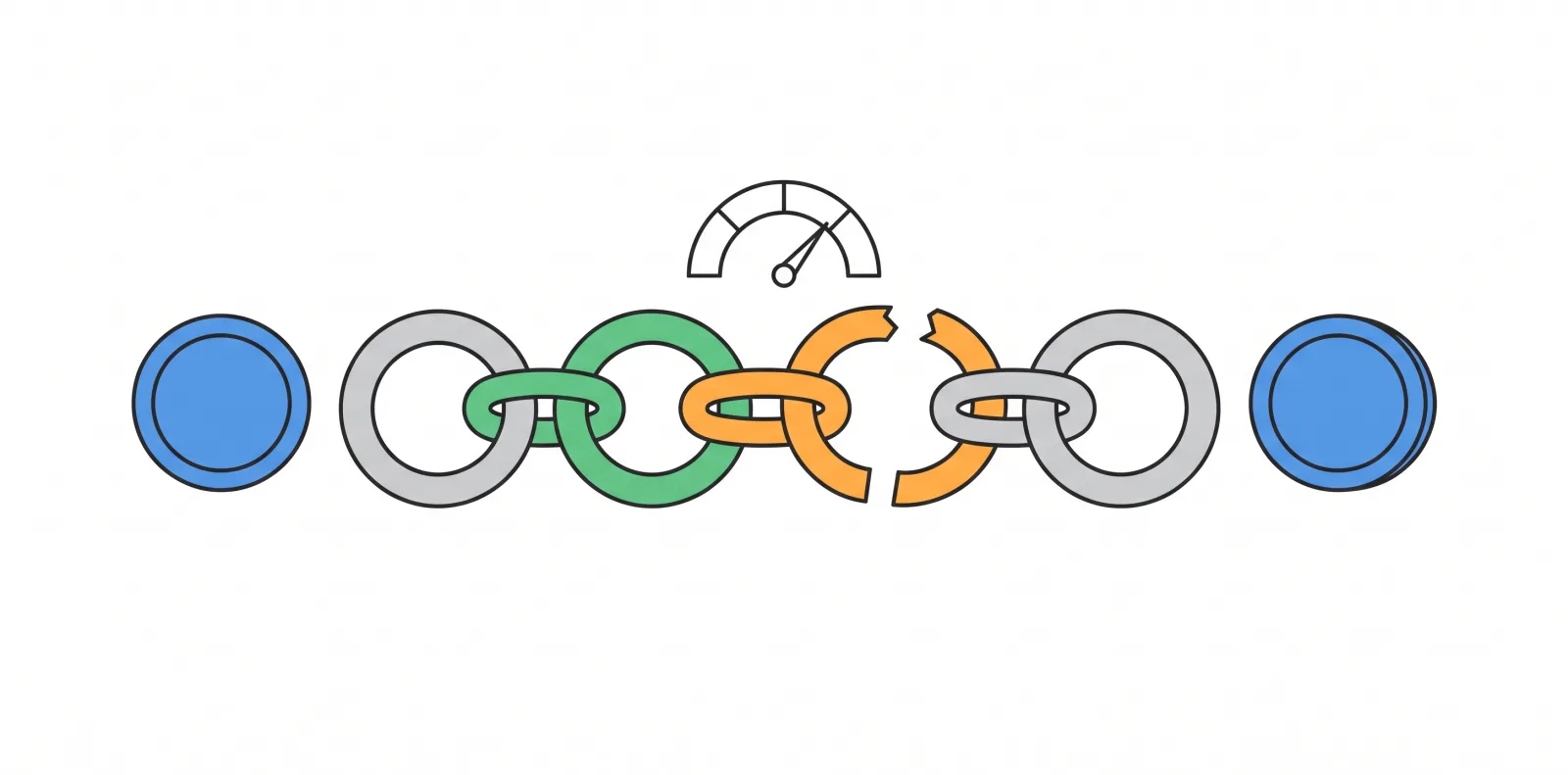
Read the top bar again. The most common way students lose a scholarship is not misconduct or poor performance. It is simply not applying for renewal, because they assumed a multi-year commitment where an annual one existed.
The Attendance Condition, Which Deserves Its Own Section#
This is the one that catches diligent students.
It accumulates invisibly. A student who misses a fortnight through illness in September, a week for a family event in November and occasional classes through the year can arrive below threshold without ever having felt casual about attendance.
How it is calculated varies. Some institutions compute it per subject, some overall, some per semester and some annually. A student comfortably above threshold overall can be below it in one subject where the calculation is subject-wise.
Medical absence is not automatically excluded. Many institutions have a process for condonation on medical grounds, but it requires documentation submitted at the time rather than an explanation offered in June. Submit a medical certificate when you are ill, not when your attendance is questioned.
Check your position at the midpoint, not the end. Most institutions publish attendance data during the year. A student who checks in November can recover; one who discovers the shortfall in March cannot.
And understand who certifies it. Your institution verifies your renewal application, including attendance. The scholarship authority acts on what your college reports, which means the relationship with your college's scholarship cell matters.
Protecting An Award Through A Difficult Year#
Things go wrong. Here is how to protect the award when they do.
Illness or family emergency. Inform your institution in writing at the time, with documentation. Ask specifically about the attendance condonation process and follow it. A contemporaneous record is worth far more than a retrospective explanation.
Falling behind academically. Speak to your department before examinations rather than after results. Supplementary and improvement provisions vary, and whether a scheme treats a cleared backlog as promotion differs by scheme.
A change in family income. If income rises above the ceiling, the award generally cannot continue. Declaring this honestly at renewal is the correct course; a false declaration risks recovery of amounts already received.
Changing course or institution. Notify the scheme authority through your institution. Some schemes permit continuation, others do not, and an unnotified change is treated more seriously than a notified one.
Taking a break in study. Most schemes do not continue through an unapproved gap. Where a break is unavoidable, ask in advance what the scheme permits.
And keep every record. Disbursement advices, application IDs, renewal confirmations, correspondence with your scholarship cell. If a question arises about an amount received two years earlier, this file is your entire position.
Renewal Season: A Practical Routine#
Because renewal carries the same deadline as fresh applications, it needs to sit in your calendar as a recurring task rather than something you remember.
Diarise the deadline for every year of your programme at the moment you first receive an award. For National Scholarship Portal schemes this is the same date each cycle, currently 31 October for post-matric schemes.
Obtain a fresh income certificate each summer. Most schemes require current documentation rather than accepting last year's, and revenue authorities take weeks.
Check your attendance position at the midpoint of each semester, not at the end. Institutions publish this during the year and a shortfall identified in November is recoverable in a way one identified in March is not.
Confirm your promotion status as soon as results are published, since promotion to the next year is a standard renewal condition.
Verify your bank details are unchanged and still seeded. Students who change banks or branches sometimes break the Aadhaar seeding without realising.
Submit the renewal early, then visit your institution's scholarship cell with the application identifier, exactly as with a fresh application.
And track the status weekly until verification and processing are complete. A renewal lapses unverified precisely as a fresh application does.
What To Do If Your Award Is Suspended Or Cancelled#
It happens, and responding properly matters more than the original cause.
Establish the stated reason. Suspension and cancellation are different, and the portal or the scheme authority should indicate which applies and why. Do not guess.
Act through your institution first. Where the cause is attendance, promotion or verification, your college is the body that reports the relevant fact and is frequently the one able to correct an error.
Where the cause is documentary, such as an expired or mismatched certificate, obtain the corrected document and submit it through the grievance mechanism promptly. Many of these are administrative errors rather than substantive findings.
Where the cause is genuine ineligibility, such as income rising above the ceiling, the correct response is to accept it and look at alternatives rather than to contest it. Contesting a correct finding wastes time and can escalate matters.
Where recovery is sought, take it seriously. Understand exactly what is being recovered and on what basis, keep every disbursement record, and engage through the formal channel rather than ignoring correspondence.
Use the grievance mechanism formally. The portal has one, institutions can escalate, and administering ministries have their own processes. A written, documented grievance with your application identifier is treated differently from an informal complaint.
And apply elsewhere in parallel. Whatever the outcome of a dispute, the next cycle's deadlines do not wait, and a student with an alternative application pending is in a far better position than one relying on a contested award.
Attendance: Practical Steps Through The Year#
Since attendance is the condition most likely to catch a diligent student, it deserves a working routine rather than good intentions.
Find out how your institution calculates it. Per subject, overall, per semester or annually. A student comfortably above threshold overall can be below it in one subject where the calculation is subject-wise, and this is a common and entirely avoidable surprise.
Find out where it is published and check monthly. Most institutions maintain attendance records accessible to students. A monthly glance costs a minute and gives you months of warning.
Document every absence at the time. A medical certificate submitted the week you were ill is treated completely differently from one produced in June. Keep copies of what you submit and note the date.
Understand the condonation process before you need it. Most institutions have one for medical and compassionate grounds, with its own form, evidence requirement and deadline. Ask your department how it works while you are well.
Watch the compounding. Short absences accumulate invisibly. A student who misses two classes a week across a semester without ever feeling casual about attendance can finish below threshold.
And if you are approaching the line, act immediately. Attendance can be recovered in November and cannot be recovered in March. Speak to your department as soon as you notice, since remedial options exist early and not late.
Frequently Asked Questions#
Is my scholarship automatically renewed each year?#
Generally no. Most Indian scholarships are annual awards requiring a renewal application within the same deadline window as fresh applications. On the National Scholarship Portal, renewals for 2026-27 close on 31 October 2026 alongside fresh applications.
What attendance do I need to maintain?#
Commonly a threshold around 75 per cent, though the exact figure and the method of calculation vary by scheme and by institution. Check your own scheme's terms and how your college computes attendance.
Does failing a year cancel my scholarship?#
Generally it ends or suspends continuation, since promotion to the next year is a standard renewal condition. Whether a cleared backlog counts as promotion varies by scheme, so ask before assuming either way.
Can my scholarship be cancelled after I have received money?#
Yes, and in cases involving misdeclaration the authority may require repayment of amounts already received. This is why accurate declaration at both application and renewal matters.
What if I was ill and missed classes?#
Inform your institution in writing at the time with medical documentation, and ask about the condonation process. A contemporaneous record is treated very differently from an explanation offered after attendance is questioned.
What happens if my family income rises?#
If it exceeds the scheme's ceiling, the award generally cannot continue, and you should declare this honestly at renewal. A false declaration risks cancellation with recovery.
Can I hold two scholarships at once?#
It depends on the terms of each. Many schemes restrict concurrent awards, and holding two where the terms forbid it can result in both being cancelled with recovery. Read the conditions of each before accepting.
Where do I check my scheme's specific conditions?#
In the scheme guidelines published on the National Scholarship Portal or by the administering ministry, and in any award letter you received. These conditions vary between schemes, so a general summary is not a substitute for your own scheme's terms.