
The Hoarding Says 847 Selections. It Does Not Say Out Of How Many#
You have seen the advertisement. A grid of photographs, a large number, and a claim that lands somewhere between impressive and overwhelming.
Here is what that number does not tell you. How many students enrolled in total. Whether the photographed students joined in Class 11 or walked in for a three-week crash course in March after two years elsewhere. Whether "selection" means an IIT seat, any NIT seat, a qualifying rank, or simply clearing a cut-off that a large fraction of candidates clear. Whether the same student appears in three different institutes' advertisements, which happens more than anyone admits.
None of that is illegal to omit, though some of the more aggressive claims now are. And none of it is the point. The point is that the number is designed to be read as a probability, and it is not one.
A coaching institute can be genuinely valuable. Structure, pace, peer group, expert teaching and a well-designed test series are real things that help real students. But you are about to spend a significant amount of money, and possibly relocate, on the basis of marketing. Let us work out how to evaluate this properly.
Background: What The Rules Now Say#
Before comparing options, know what protections exist, because most students do not.
In January 2024 the Ministry of Education issued Guidelines for Regulation of Coaching Centres. The substantive provisions include:
No enrolment below sixteen. Coaching centres may not enrol students below the age of sixteen, or before they have completed their secondary school examination. This was aimed directly at the practice of pulling children into entrance preparation from Class 8 or 9.
Tutor qualifications. Tutors must hold at least a graduate qualification, and centres may not hire individuals convicted of offences involving moral turpitude.
No misleading claims. Coaching centres may not make misleading promises, guarantee ranks, or assure good marks. If you see an advertisement promising a rank, that claim is not merely optimistic; it falls foul of the guidelines.
Safety and infrastructure. Compliance with fire safety codes, building safety codes and related standards.
Enforcement sits with state governments, which is why implementation varies considerably. Some states have moved further. Maharashtra published a draft Private Coaching Centres Registration and Regulation Act in August 2026 covering registration, student wellbeing, safety standards, fee regulation and grievance redressal.
Two terms worth defining before the comparison:
Batch size. The number of students in a single class. It is the strongest available proxy for how much individual attention you will get, and it is the number institutes are least forthcoming about.
Test series. A structured programme of practice examinations with analysis. For many students this is the single most valuable component of what they buy, and it can often be purchased separately at a fraction of the full course fee.
What The Tiers Actually Cost#
The figures below are reported ranges rather than quoted prices. Fees vary by city, batch type, duration, course level and year, and they change. Verify current fees directly with the institute before making any decision.
Two points that chart does not capture.
The advertised fee is rarely the total. For a residential offline course, add hostel and mess charges, which frequently approach or exceed the tuition itself, plus travel home, study material, test series and examination registration fees. Ask for the all-in annual figure in writing.
Online is not simply a cheaper version of offline. It is a different product with a different failure mode. The cost difference is enormous, and so is the demand it places on self-discipline. A student who watches recorded lectures at double speed while half attending is not getting a cheaper education; they are getting no education at a low price.
The Comparison That Matters: Not Brands, But Attributes#
Resist the urge to ask which institute is best. The honest answer is that it depends on the specific centre, the specific batch and the specific teachers, all of which vary enormously within any single brand. A famous institute's flagship city centre and its franchised centre in a smaller town can be completely different experiences under the same name.
Compare attributes instead.
Batch size. Ask for the number, in writing. A batch of forty allows questions. A batch of two hundred is a lecture, and a lecture is available free on the internet. If the answer is evasive, that is the answer.
Who actually teaches your batch. Institutes market their star faculty. Those faculty frequently teach the top batch only. Ask specifically who will teach your batch, and whether batch allocation changes during the year based on test performance, which is common and has real consequences.
The test series. How many tests, at what intervals, and crucially what analysis is provided afterwards. A test series without detailed error analysis is just a schedule of bad afternoons. This is also the component most worth buying separately if you are otherwise self-studying.
Doubt resolution. How does it actually work? A dedicated doubt counter with fixed hours staffed by teachers is meaningful. An app that promises a response within twenty-four hours is much less so when you are stuck at eleven at night before a test.
Whether batches are streamed by performance. Many institutes split students into batches by test results and move them during the year. For some students this is motivating. For others, being moved down is demoralising in a way that affects the rest of the year. Ask how it works before you join, not after you are moved.
The refund policy, read in full. This is where most disputes arise. Policies vary widely, and several large institutes operate terms under which a substantial portion of fees is non-refundable once a course has begun. Some prorate, some do not. Some refund only on medical grounds with documentation. Ask for the written policy before paying, read the whole clause, and keep a copy. Do not rely on a verbal assurance from a counsellor, who is a salesperson.
Registration and compliance. Whether the centre is registered under your state's framework where one exists, and whether it meets the safety requirements the guidelines specify. A centre operating in an unsafe building is a real risk, not a theoretical one.
How To Read A Results Advertisement Without Being Fooled#
Four questions dismantle almost any coaching claim.
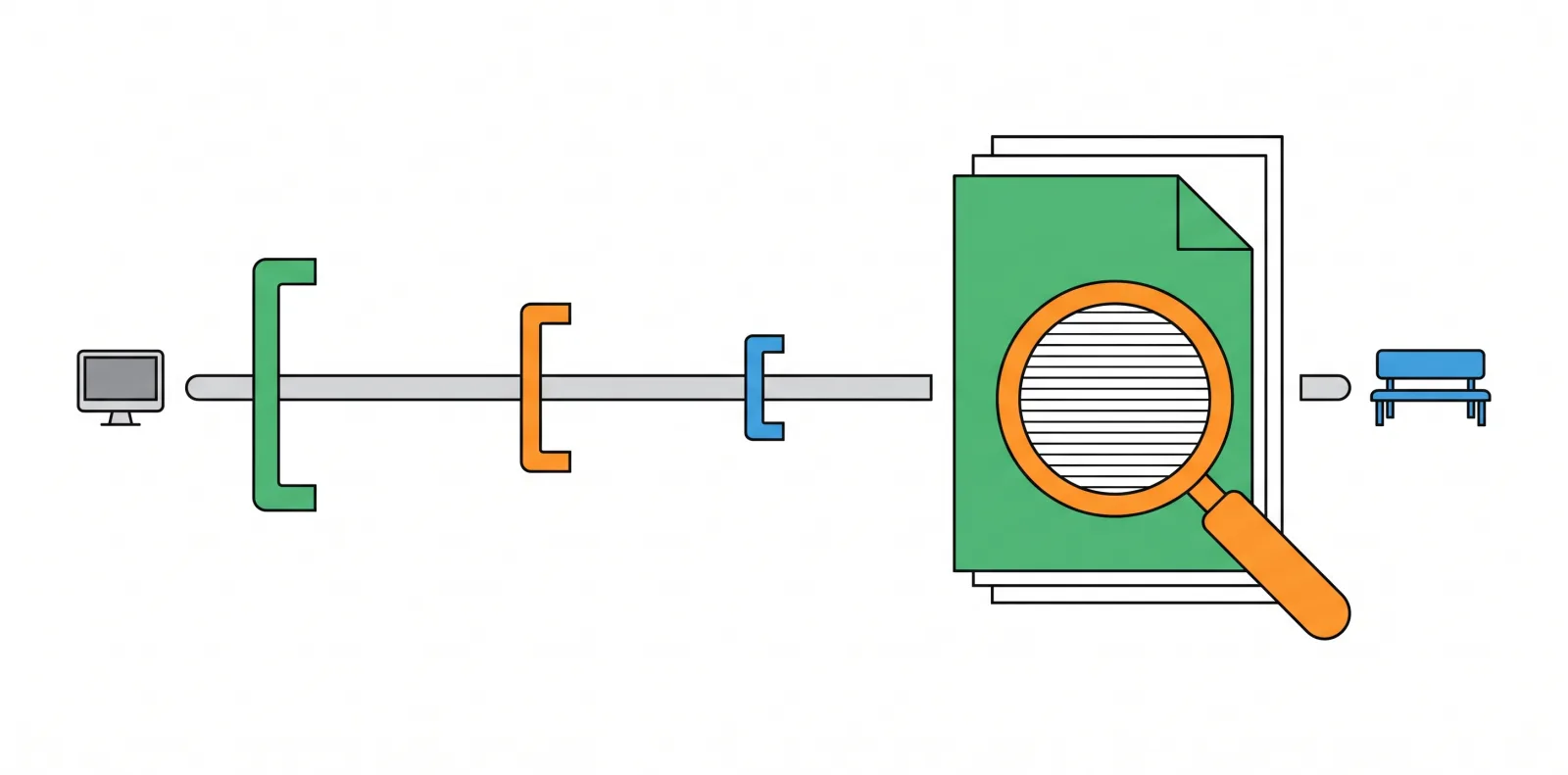
Out of how many? Selections without a denominator are meaningless. Two hundred selections from four hundred students is remarkable. Two hundred from twenty thousand is not. Institutes rarely publish the denominator. Ask.
Enrolled when? A student who joined a two-year programme in Class 11 and secured a good rank tells you something about the programme. A student who joined a four-week crash course in March after two years elsewhere tells you almost nothing, and both may appear in the same advertisement.
What counts as a selection? Clearing a qualifying cut-off, securing any engineering seat, securing an NIT seat and securing an IIT seat are very different outcomes presented with the same word.
Is this student claimed elsewhere? Top performers are frequently claimed by multiple institutes, sometimes legitimately because they used several services, sometimes not.
And remember the regulatory point. Guaranteed ranks and assured marks are prohibited under the Ministry's guidelines. An institute making such a promise is telling you something about its compliance culture before you have paid a rupee.
Deciding What You Actually Need#
Different students need different things, and the expensive option is not automatically the right one.
You probably need structured offline coaching if you struggle to maintain a routine without external structure, you learn better with a teacher present and peers around you, you have specific conceptual gaps that need addressing interactively, or you are in an environment without good school teaching in these subjects.
Online is likely sufficient if you are self-disciplined, your school teaching is adequate, you mainly need content delivery and practice material rather than supervision, and cost is a real constraint. The cost difference is large enough that for many families this is the difference between preparing and not preparing.
A hybrid approach works well for many. Self-study using NCERT and a good problem book, plus a paid test series with proper analysis, plus targeted online content for the specific topics you find hard. This costs a small fraction of a full classroom course and covers the components that actually drive score improvement.
Free resources are genuinely good now. NCERT textbooks are downloadable at no cost. Previous year question papers are freely available. NPTEL and similar platforms carry high-quality lectures. A motivated student with an internet connection has access to material that did not exist a decade ago at any price.
And one honest caution about what coaching cannot do. No institute can make you sit down every day. The component that determines your result is the hours you spend solving problems and the seriousness with which you analyse your mistakes. Coaching can organise those hours, pace them and support them. It cannot supply them. Students who join expecting the institute to do the work discover this expensively.
Warning Signs That Should Stop You Signing#
Some of these are regulatory breaches. Others are simply indicators of how an institute will treat you once it has your money.
A guaranteed rank or assured marks. Prohibited under the Ministry of Education's guidelines. An institute making this claim is telling you about its compliance culture before you have paid anything.
Pressure to decide today. Discounts expiring in an hour, seats filling this afternoon, a special rate available only if you pay now. Legitimate admission processes have published dates. Urgency is a sales technique.
Refusal to put the refund policy in writing. The most reliable single warning sign in this entire field. If the policy cannot be shown to you before you pay, assume the worst version of it applies.
Evasion on batch size. A straightforward question with a factual answer. Evasion means the number is one you would not like.
A demand for cash without a receipt, or payment to a personal account rather than the institution's. Never do this, regardless of the explanation offered.
No named teacher for your specific batch. Marketing features star faculty who frequently teach only the top batch. Ask who teaches yours.
Results claims with no denominator. Selections without the total enrolment figure, or without clarity on whether the featured students joined for two years or for a three-week crash course.
Visible safety problems. Blocked stairwells, missing fire extinguishers, overcrowded rooms on upper floors. The guidelines require compliance with fire and building safety codes for a reason, and the risk here is not theoretical.
Enrolment offers for students below sixteen. Under the 2024 guidelines this is not permitted, and an institute offering it is disregarding the rules in a way that tells you something.
If two or more of these appear, walk away. There are many options, and the ones that behave properly before taking your money generally behave better afterwards.
Frequently Asked Questions#
How much does JEE or NEET coaching cost?#
Reported ranges put premium offline classroom courses at roughly 1.3 to 2.5 lakh rupees a year, value and hybrid offline options considerably lower, and online courses anywhere from a few thousand rupees to over a lakh. Hostel, mess, material and travel are usually additional. Confirm current figures with the institute.
Are coaching fees refundable?#
It depends entirely on the specific policy, and several large institutes operate terms under which much of the fee is non-refundable once a course begins. Ask for the written policy before paying, read the full clause, and keep a copy. Never rely on a verbal assurance.
Can a coaching institute guarantee a rank?#
No, and claiming to do so is prohibited under the Ministry of Education's 2024 Guidelines for Regulation of Coaching Centres, which bar misleading promises, guaranteed ranks and assured marks. Treat any such claim as a warning sign.
Can coaching centres enrol students below sixteen?#
Under the 2024 guidelines, no. Enrolment is permitted only from age sixteen or after the student has completed their secondary school examination. Enforcement rests with state governments and varies.
Is online coaching as good as offline?#
For content delivery, often yes, and at a fraction of the cost. For structure, supervision and immediate doubt resolution, generally no. The right answer depends on how much external structure you personally need, which is worth assessing honestly rather than optimistically.
What is the single most useful thing to buy if I cannot afford full coaching?#
A good test series with detailed analysis. It provides pacing, realistic practice and, most importantly, diagnostic information about your errors. It costs a small fraction of a full course and covers the component most closely linked to score improvement.
What should I ask before paying?#
The all-in annual cost including hostel and material, the batch size in writing, who teaches your specific batch, how batches are allocated and changed, how doubt resolution works, the full written refund policy, and the centre's registration and safety compliance.
Where can I read the official coaching guidelines?#
The Guidelines for Regulation of Coaching Centres are published by the Ministry of Education, and state-level rules are published by the relevant state education department. Since enforcement and state regulations differ and continue to change, check the current position for your own state.