
Clearing NEET Is The Easy Part. Nobody Tells You About The Other Half#
Eleven lakh candidates qualified NEET UG in the most recent cycle. India has roughly one and a third lakh MBBS seats in total, of which fewer than half are in government colleges.
Work through that arithmetic and something becomes obvious. Qualifying is not the bottleneck. The bottleneck is the machinery that comes afterwards, and that machinery is where students who have prepared for two years lose seats to paperwork, missed registrations and misunderstood quota rules.
Here is the part that surprises people most. Counselling is an entirely separate process from the examination. Your NEET result does not enrol you anywhere. Nobody contacts you. You must register again, on different portals, often on two portals simultaneously, with their own deadlines, their own fees and their own unforgiving rules about withdrawal.
And there is a second misconception worth clearing immediately. AIIMS and JIPMER have not run separate MBBS entrance examinations for several years. They admit through NEET UG like everyone else, via central counselling. If your preparation plan includes separate AIIMS coaching, you are preparing for an examination that no longer exists.
Let us map the whole system.
Background: The Regulatory Picture In One Section#
The structure changed substantially when the Medical Council of India was dissolved and replaced by the National Medical Commission under the NMC Act 2019. The NMC operates through four autonomous boards covering undergraduate education, postgraduate education, assessment and rating of colleges, and ethics and registration.
Alongside that regulatory change came the consolidation of entrance examinations. At undergraduate level, the separate AIIMS and JIPMER examinations were merged into NEET UG, producing a single national entrance for every MBBS and BDS seat in the country. At postgraduate level, the separate entrance examinations of the Institutes of National Importance were merged into a single test, described later in this article.
The vocabulary you will need for counselling:
All India Quota, or AIQ. Fifteen per cent of government medical college seats, pooled nationally and filled without any domicile requirement. Administered by the Medical Counselling Committee.
State Quota. The remaining eighty-five per cent of government college seats, filled by each state through its own counselling authority, requiring domicile in that state.
Medical Counselling Committee, or MCC. The central body that conducts counselling for the All India Quota, plus AIIMS, JIPMER, other central institutions, deemed universities and certain other categories.
Deemed university. A private institution with university status that admits through central counselling using NEET scores, at substantially higher fees.
Seat matrix. The published table of how many seats exist at each college, in each category and quota, for that year. It is released before counselling and it is the document that tells you what you are actually competing for.
The Seat Landscape, With Current Numbers#
Three observations from that chart that change how you should plan.
Private seats now outnumber government seats. That is a significant structural fact about Indian medical education, and it means that for a very large number of qualified candidates, the realistic choice is between a private seat at substantial cost and not studying medicine at all. Plan for that conversation before results day rather than during it.
The state quota is where most government seats are. Eighty-five per cent. If you have domicile in a state, your state counselling is statistically your best route to a government seat by a wide margin, and it is the process students most often under-prepare for because national conversation focuses on the All India Quota.
Capacity is growing. The NMC approved close to ten thousand additional MBBS seats for the 2026 to 2027 session, with twenty-five newly established colleges receiving permission, split between government and private institutions. That growth is real and it improves the odds year on year, though it has not kept pace with the growth in candidates.
How The Two Processes Actually Run#
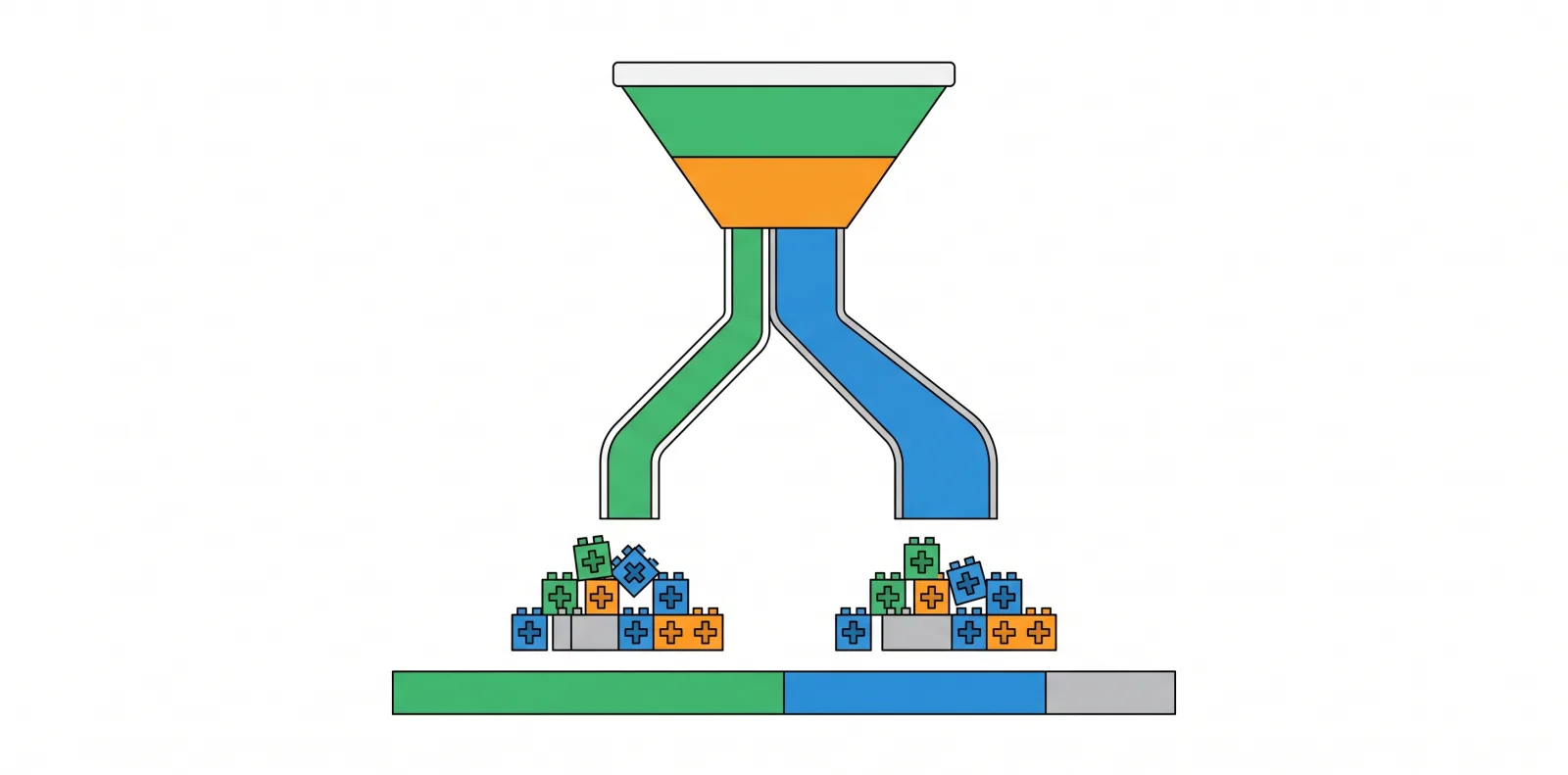
The MCC process. Register on the MCC portal, pay the registration fee and the security deposit where applicable, fill your choices in order of preference, and participate in a sequence of rounds. MCC conducts counselling for the All India Quota, AIIMS, JIPMER, other central institutions, deemed universities and certain other categories. Rounds typically proceed from an initial allotment through further rounds to a stray vacancy round.
State counselling. Register separately with your state's authority. Requirements differ by state, and domicile documentation is verified. Rounds run on the state's own schedule, which interleaves awkwardly with the MCC calendar.
You should normally register for both. Registering only for the All India Quota means competing for fifteen per cent of government seats nationally. Registering only for your state means forgoing a national option that requires no domicile. Most serious candidates do both and manage the interaction between the two.
And the interaction is where it gets difficult. Accepting a seat in one process can have consequences in the other, including forfeiture of your security deposit, restrictions on participating in later rounds, or debarment in specific circumstances. These rules are published each year, they differ between MCC and each state, and they change between cycles.
Read the current information bulletin for both processes before the first round, not after you receive an allotment. This single hour of reading prevents most of the disasters in medical counselling.
AIIMS, JIPMER And Deemed Universities#
AIIMS institutions. Admission is entirely through NEET UG followed by MCC counselling. There is no separate application to the institution. Tuition at AIIMS is nominal, which means the barrier at the top of Indian medical education is the examination rather than the fee. The AIIMS network has expanded well beyond New Delhi, and the newer institutions differ considerably from the established ones in faculty depth, hospital patient load and campus maturity. Research the specific institution rather than the brand, and ask particularly about clinical exposure, since medical training is fundamentally apprenticeship and depends on how many patients you actually see.
JIPMER. Same position. Admission through NEET UG and MCC counselling, with nominal tuition, campuses at Puducherry and Karaikal, and a long clinical tradition with high patient volume.
Deemed universities. These admit through MCC central counselling using NEET scores, and they typically require a considerably lower rank than government colleges. The cost is the reason. Fees frequently run to tens of lakhs across the programme, and postgraduate study still has to be funded afterwards.
If you are considering this route, do three things. Work out the total cost across all five and a half years including hostel and living expenses, not the first-year figure. Check the college's NMC recognition status directly. And investigate the hospital's actual patient load rather than its bed count on paper, because a teaching hospital without patients cannot teach clinical medicine regardless of its infrastructure.
Postgraduate Entry: Two Examinations, Not One#
This catches out students who assume the undergraduate consolidation was repeated at postgraduate level. It was not, exactly.
INI-CET is the combined entrance test for postgraduate seats at the Institutes of National Importance, meaning the AIIMS institutions, JIPMER, PGIMER Chandigarh, NIMHANS and SCTIMST. It replaced the separate examinations those institutions previously ran, and it is conducted by AIIMS New Delhi.
NEET-PG remains the entrance examination for postgraduate seats at other medical colleges across the country.
So at postgraduate level there are two examinations with different patterns, timings and counselling processes, and many candidates sit both.
A note on the National Exit Test. The NMC Act provides for a common examination that would serve as the MBBS exit examination, the licence to practise and the basis for postgraduate admission, replacing NEET-PG. It has been announced, discussed and deferred more than once following concerns raised by student bodies and medical associations. Do not build a preparation strategy around any claim about it that you have not verified on the NMC's own notifications.
The Counselling Mistakes That Cost Seats Every Year#
Not registering for both processes. The single most common and most expensive error.
Missing a round entirely. Rounds run on published schedules with short windows. Missing one does not pause the process; it proceeds without you.
Filling too few choices. As in every preference-based allocation system, a short list is the most reliable way to end a round with nothing. List everything you would genuinely accept, in genuine order of preference.
Not reading the withdrawal and forfeiture rules. Resigning an allotted seat carries consequences that differ between MCC and each state and between rounds. Read them before you accept anything.
Documents not ready. Category certificate, domicile certificate, income certificate where applicable, NEET scorecard, Class 10 and 12 certificates, photographs to specification. Verification windows are short and there is no sympathy for a certificate that is still being processed.
Assuming the first round is the last chance. Later rounds and stray vacancy rounds fill substantial numbers of seats as candidates withdraw for other options. Students regularly secure places at scores that were insufficient in round one.
Making the private-college decision under pressure. Have the financial conversation with your family in advance. Know the figure you can manage, and know what you would do at each rank band, before the allotment arrives with a payment deadline attached.
Frequently Asked Questions#
Do AIIMS and JIPMER still hold their own MBBS entrance exams?#
No. Both were merged into NEET UG several years ago. Admission is through NEET followed by Medical Counselling Committee counselling, with no separate application to the institutions.
What is the difference between All India Quota and state quota?#
The All India Quota is fifteen per cent of government medical college seats, pooled nationally, filled by MCC with no domicile requirement. The state quota is the remaining eighty-five per cent, filled by each state's own authority and requiring domicile in that state.
Should I register for both MCC and state counselling?#
Generally yes. Registering only for one halves your realistic options. They are separate processes with separate registrations, fees and deadlines, and you should read both information bulletins before the first round.
How many MBBS seats are there in India?#
Roughly one lakh thirty-seven thousand across about 823 medical colleges for the 2026 to 2027 session, of which approximately sixty-three thousand are in government colleges and around seventy-four thousand in private institutions. Verify the current seat matrix on the MCC portal.
Are deemed university seats worth taking?#
It depends entirely on your finances and the specific institution. They admit at lower ranks but cost tens of lakhs across the programme, with postgraduate study still to fund. Check NMC recognition, work out the full cost, and investigate the teaching hospital's actual patient load.
What is INI-CET and how does it differ from NEET-PG?#
INI-CET is the combined postgraduate entrance test for the Institutes of National Importance, meaning the AIIMS institutions, JIPMER, PGIMER Chandigarh, NIMHANS and SCTIMST. NEET-PG covers postgraduate seats at other medical colleges. Many candidates sit both.
What happens if I miss a counselling round?#
The process continues without you and the seats are allotted to other candidates. Rounds run on published schedules with short windows, so treat every date as immovable and check the portal daily during the season.
Where should I verify counselling rules and the seat matrix?#
On mcc.nic.in for central counselling and your state counselling authority's own site for state quota. Rules on withdrawal, forfeiture and eligibility change between cycles, so read the current year's information bulletin rather than relying on what applied previously.